Saskatchewan
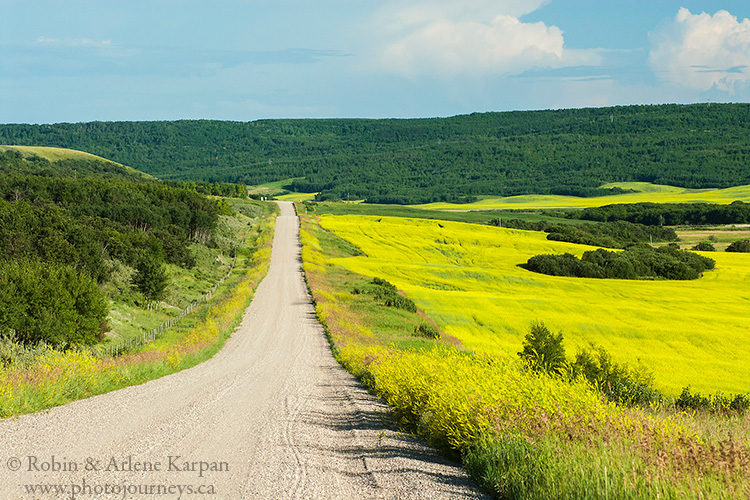
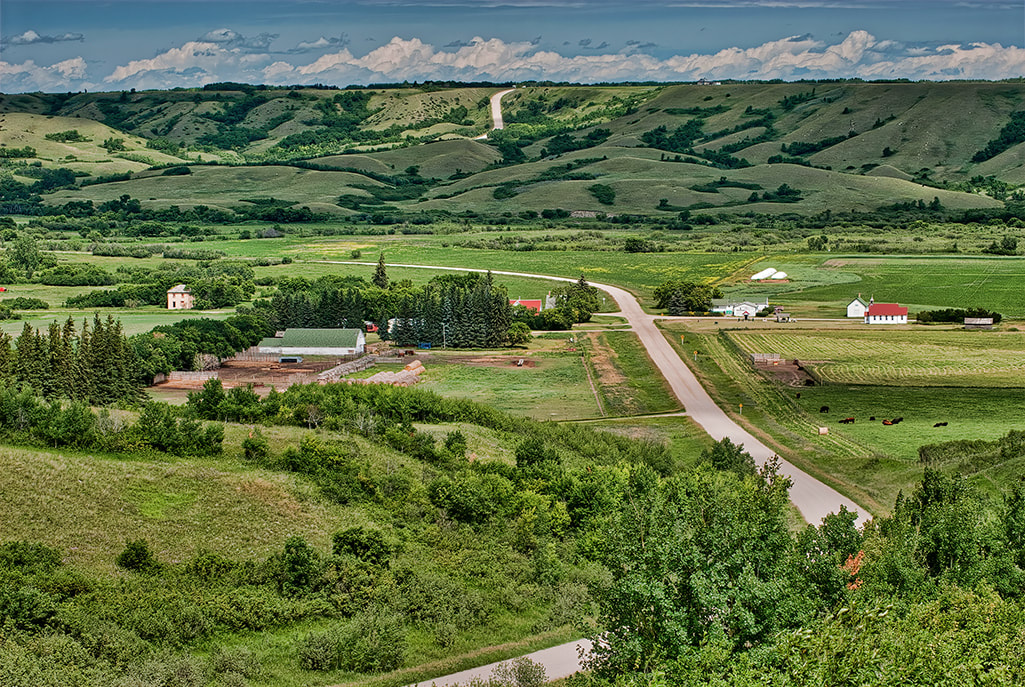
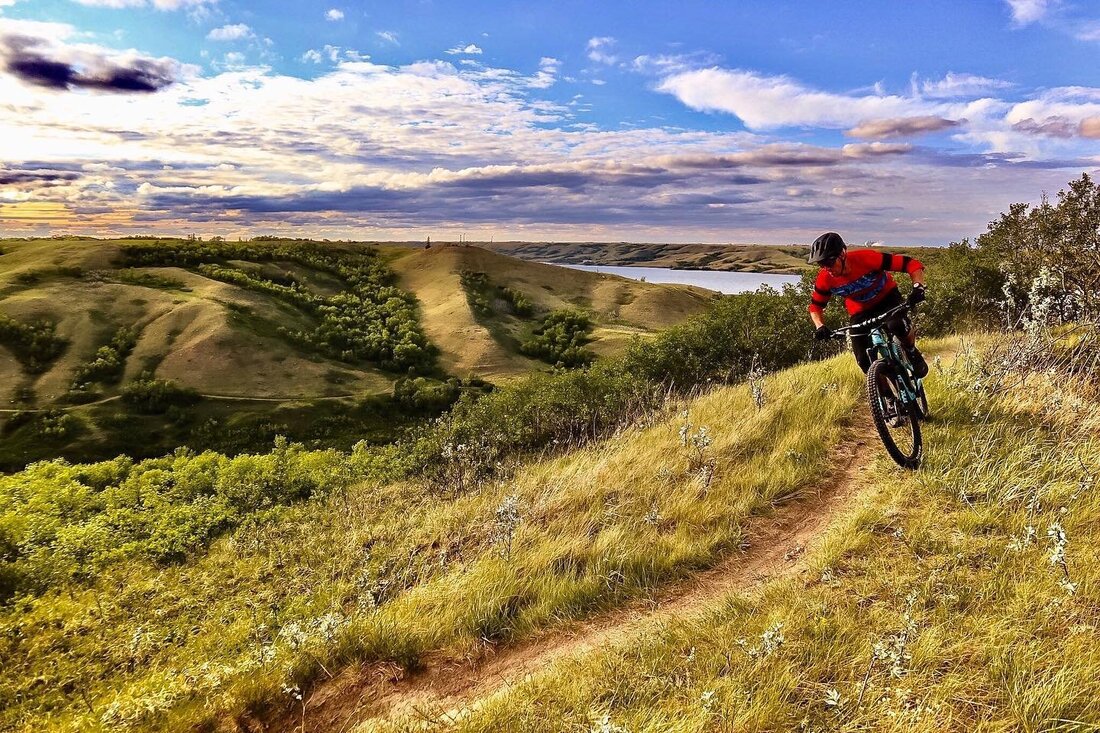
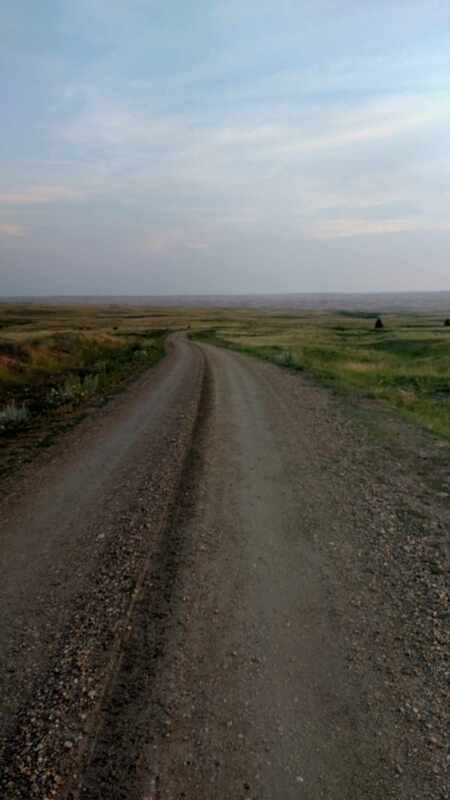
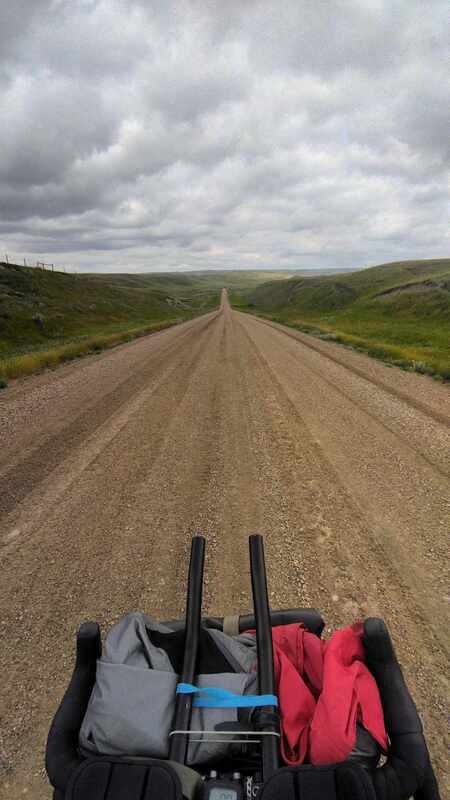
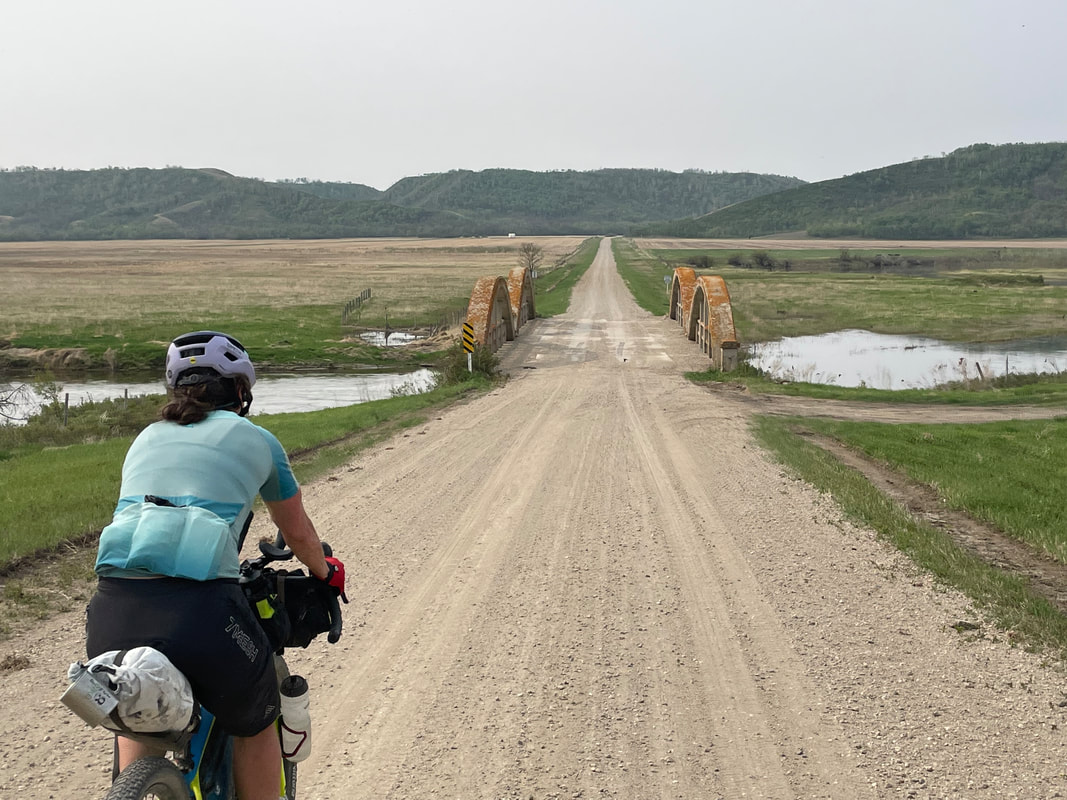
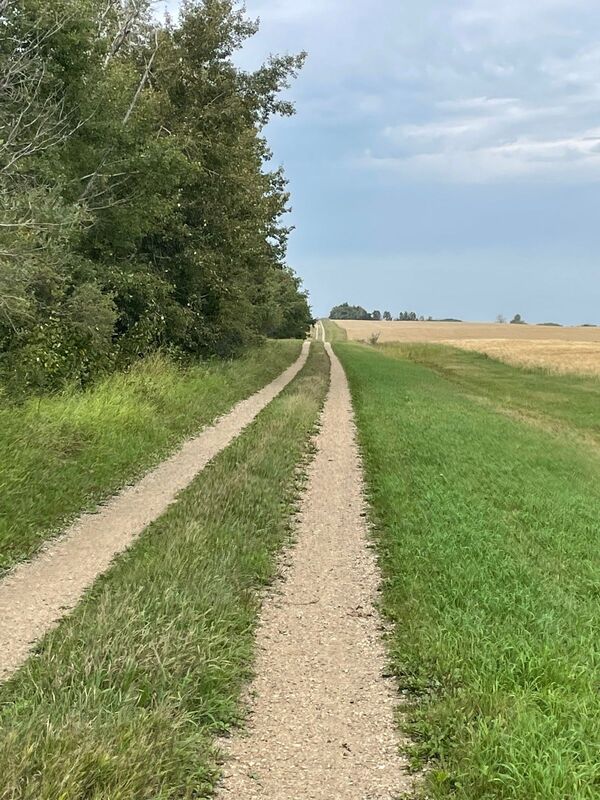
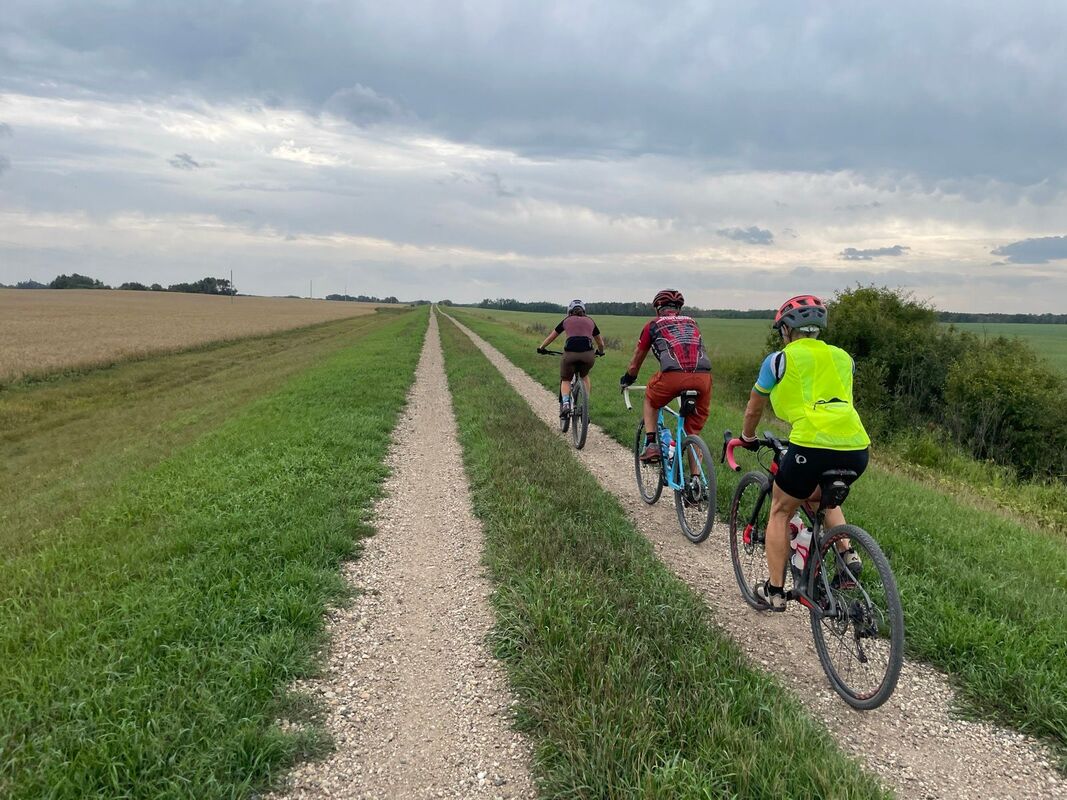
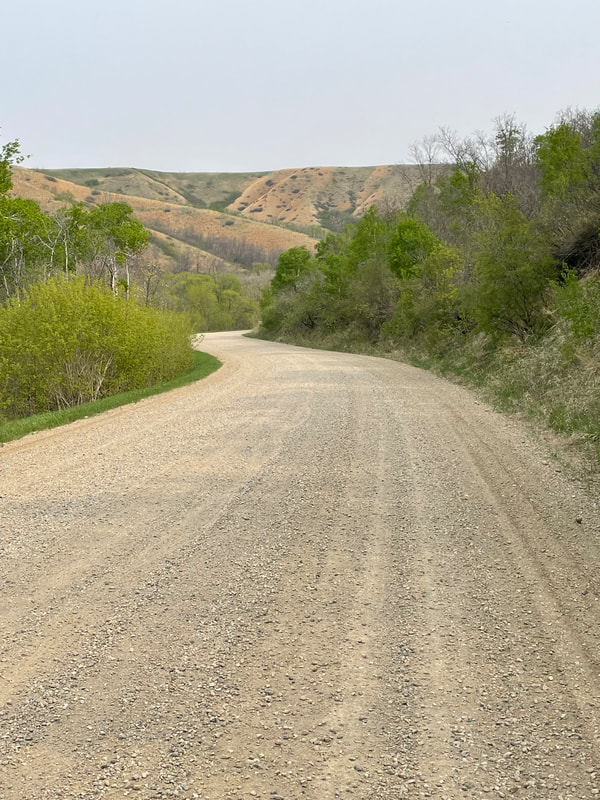
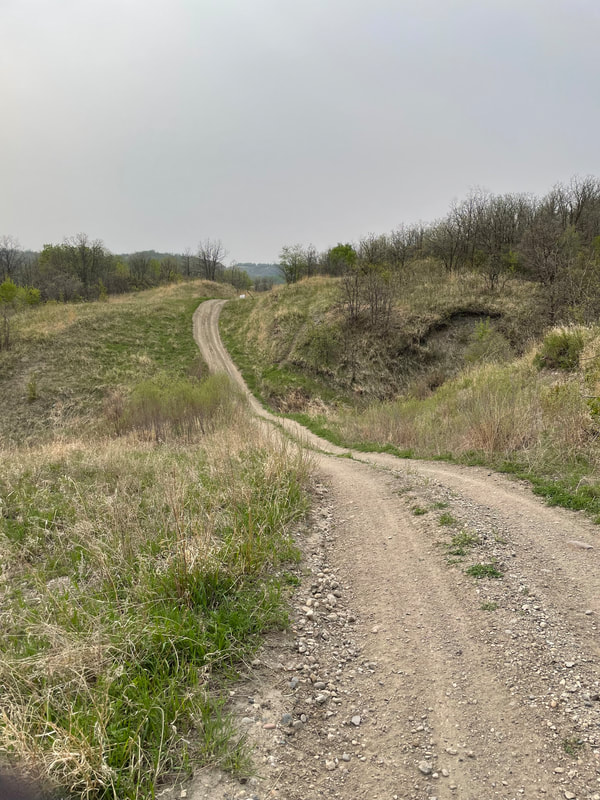
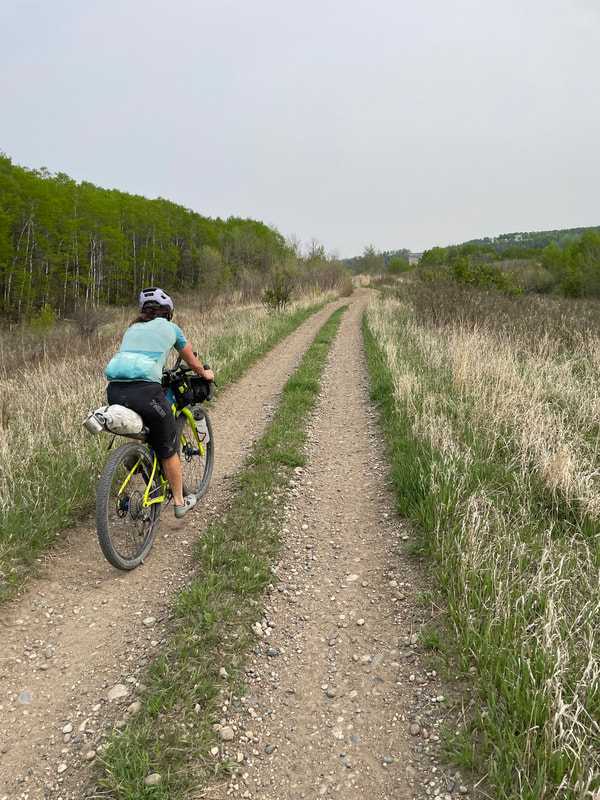
Welcome to big sky country and riding into country pace. The province provides a surprising mix of riding terrain and landscapes. Far from just pancake flat farm roads through endless stretches of canola fields. Yes, there will be some rather ho-hum stretches of flat, straight prairie riding (fingers crossed the wind is at your back), but there are also long stretches of more dramatic pedaling. Where the west is still a little wild. One thing that is predictable is sunshine, as Southern Saskatchewan boasts an average of 321 days of sunshine per year.
Highlights Include:
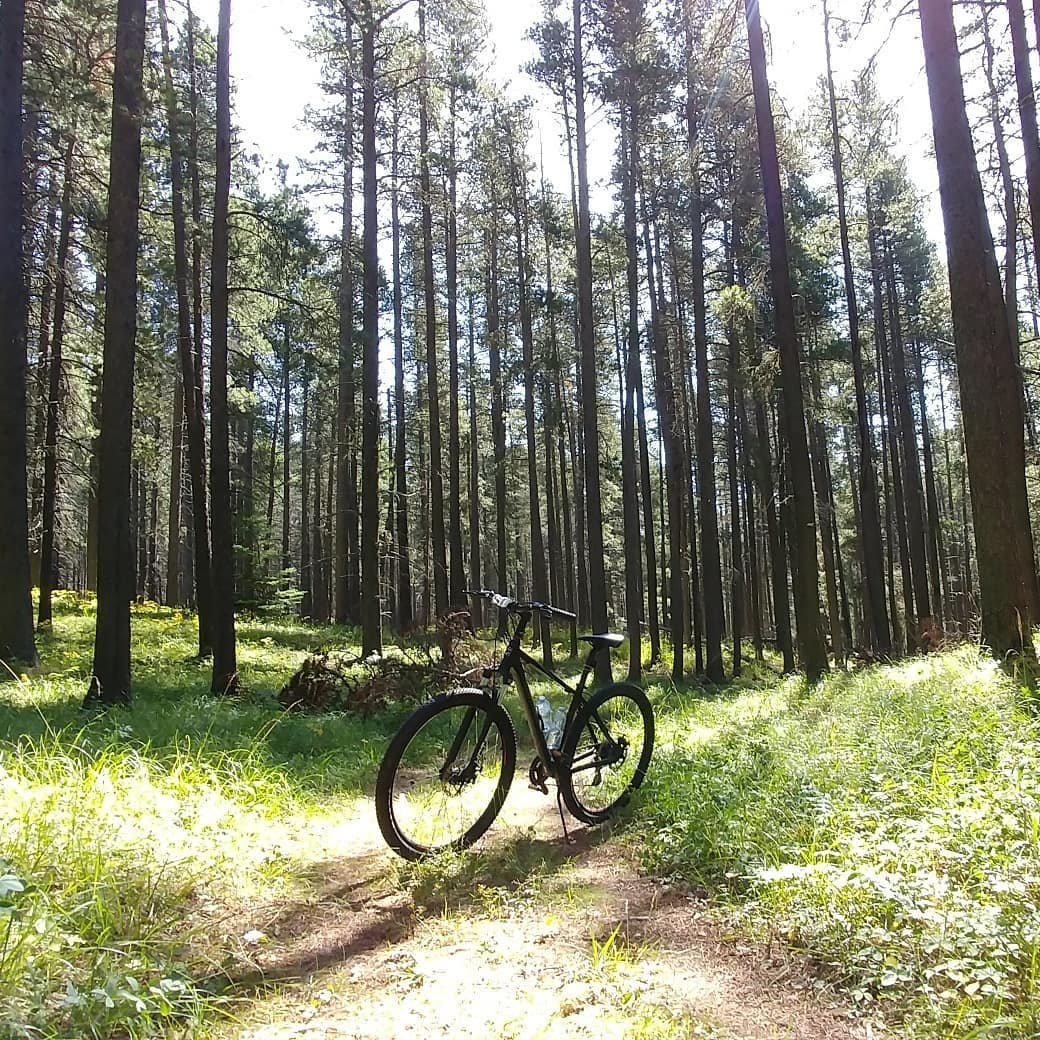
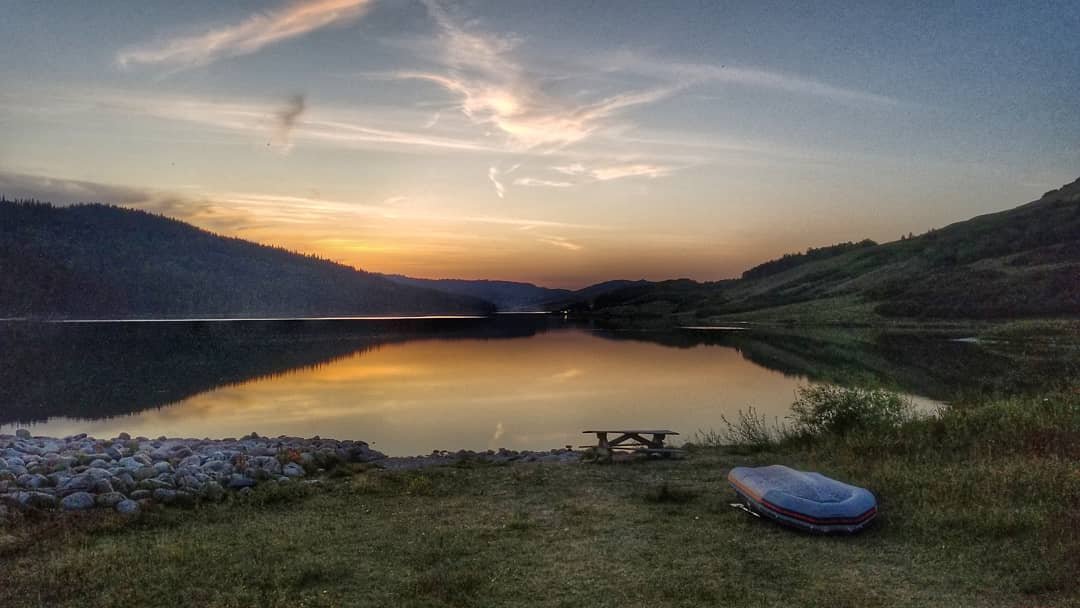
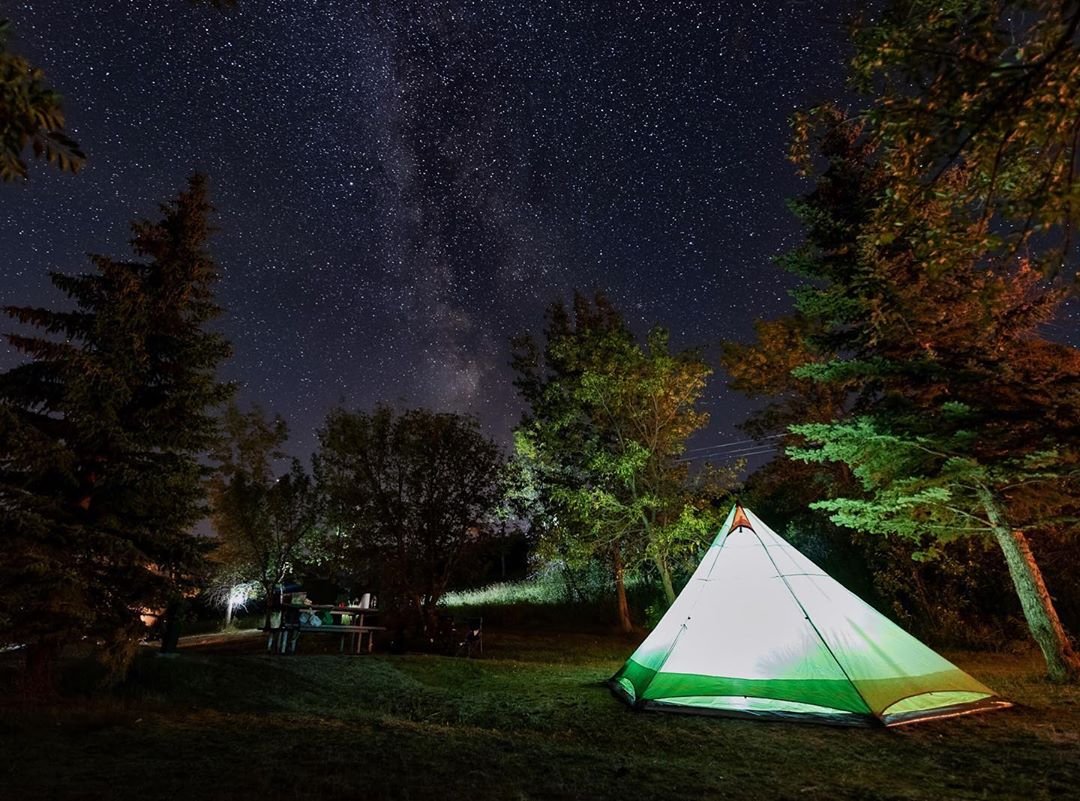
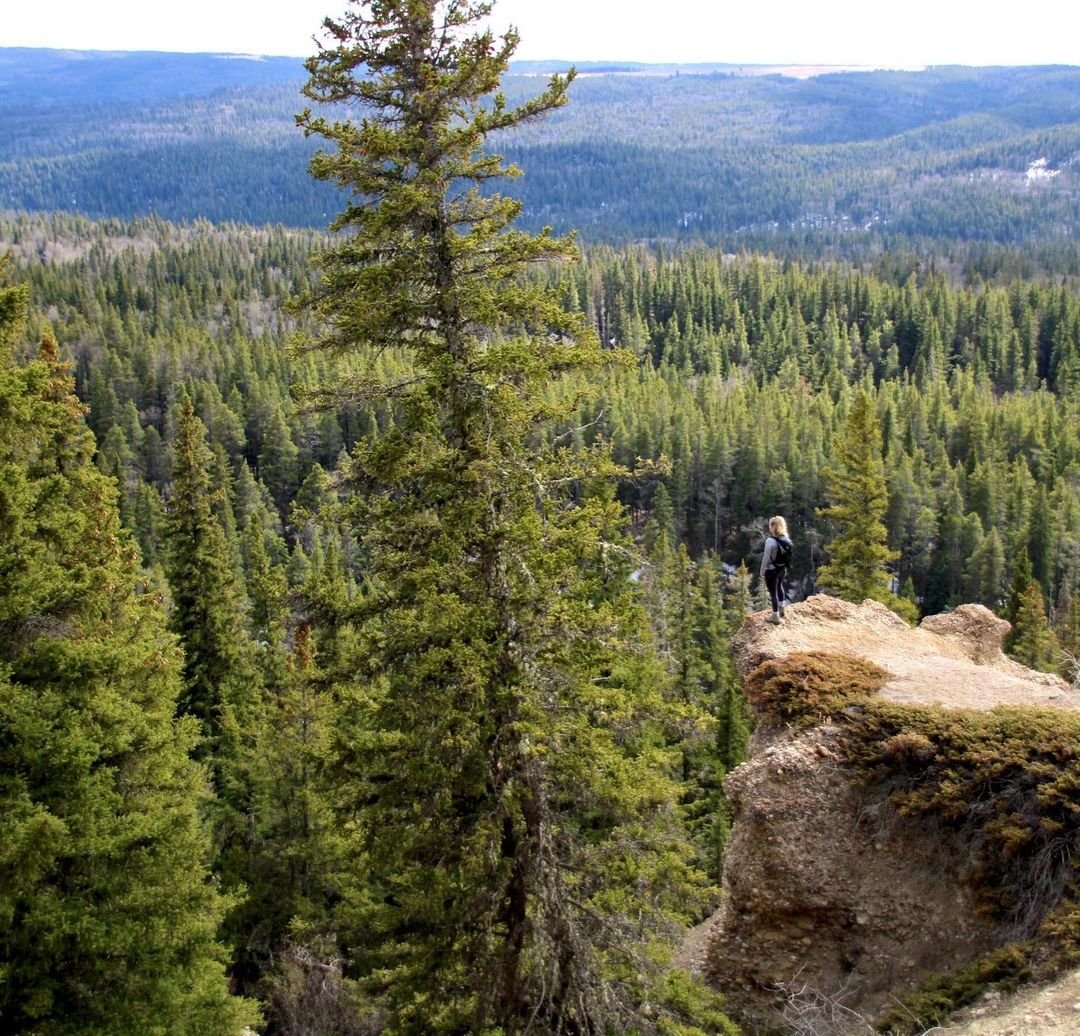
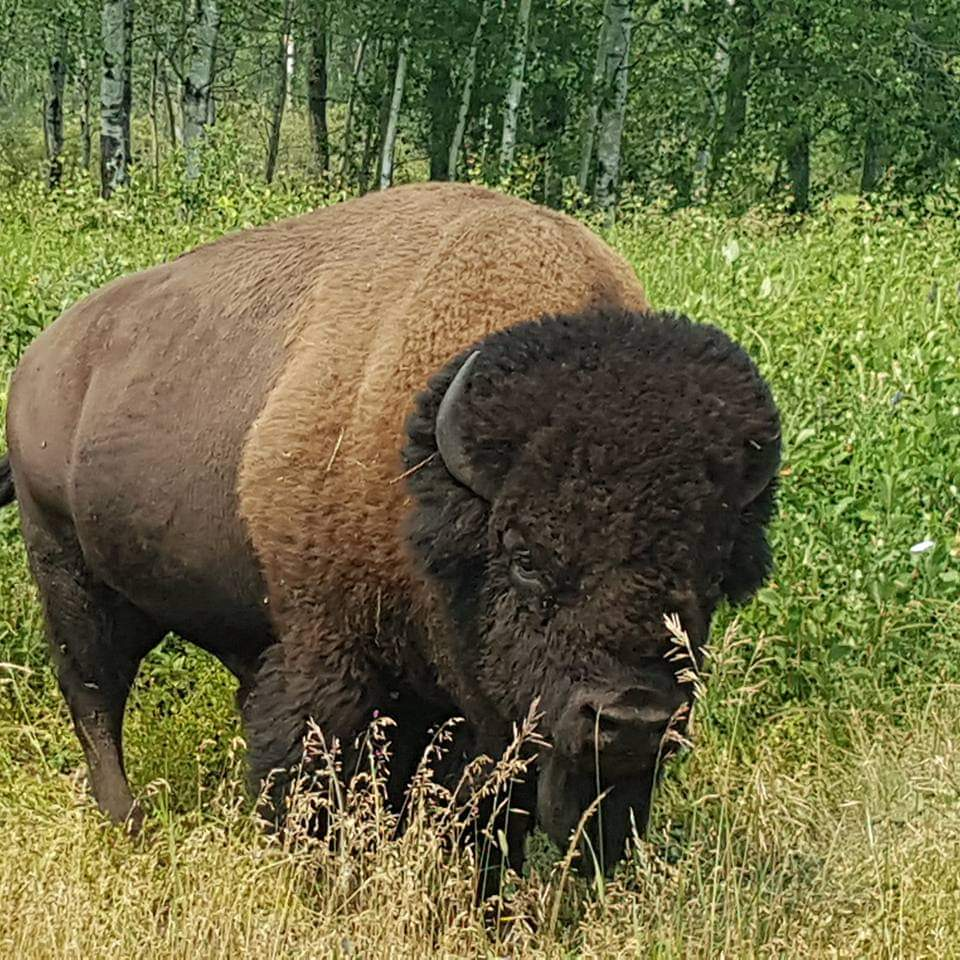
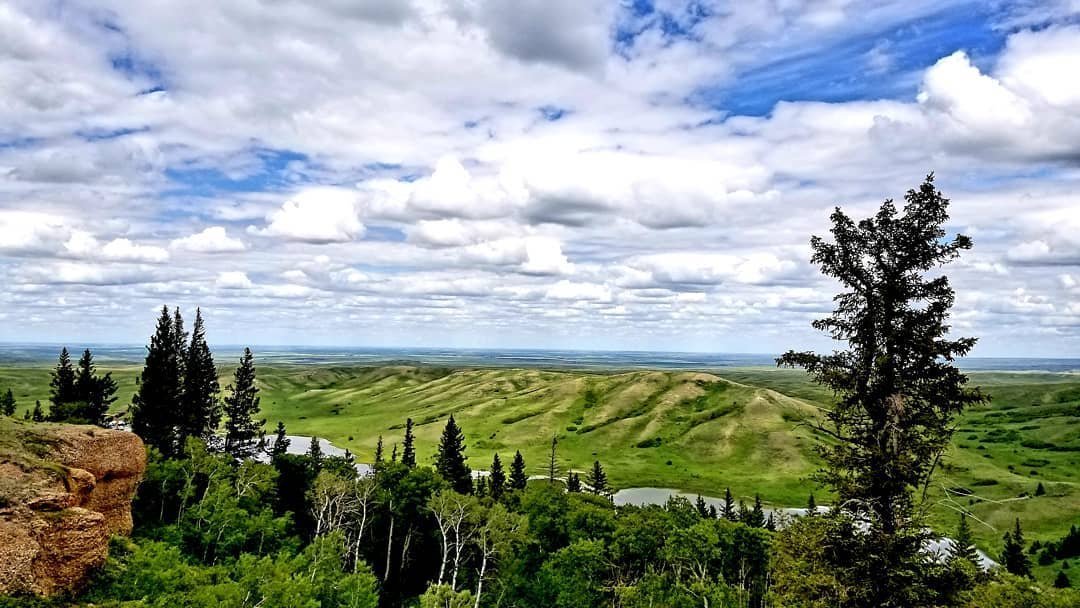
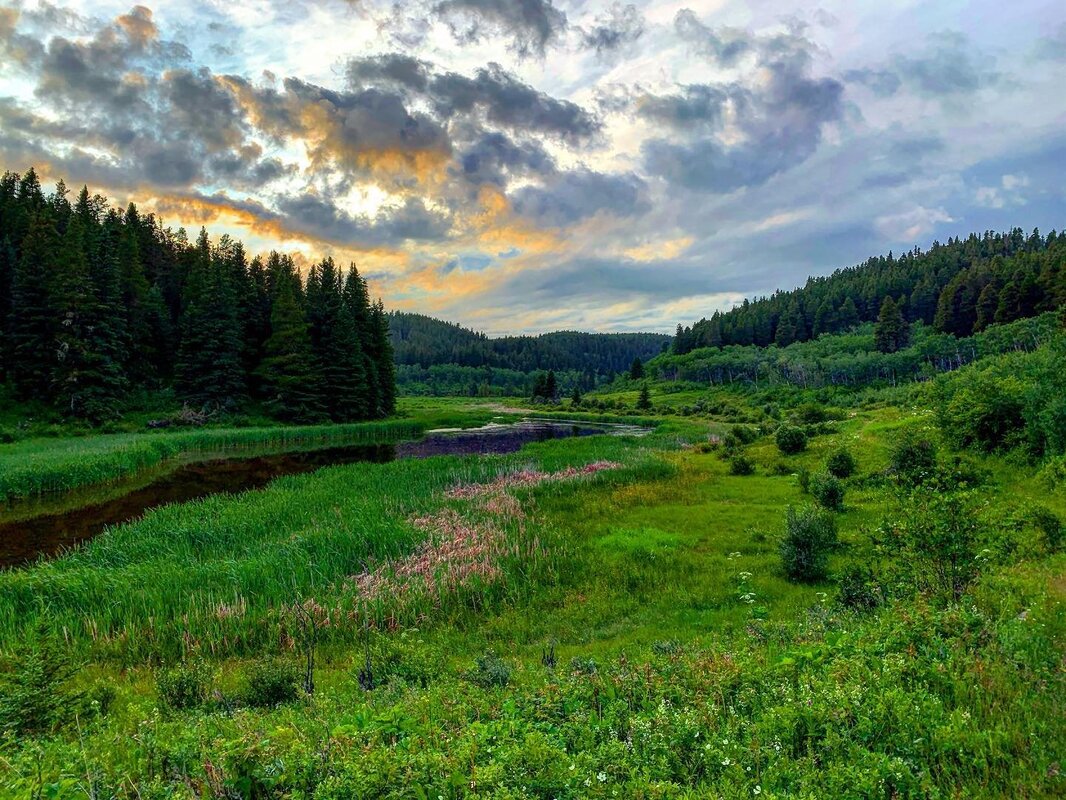
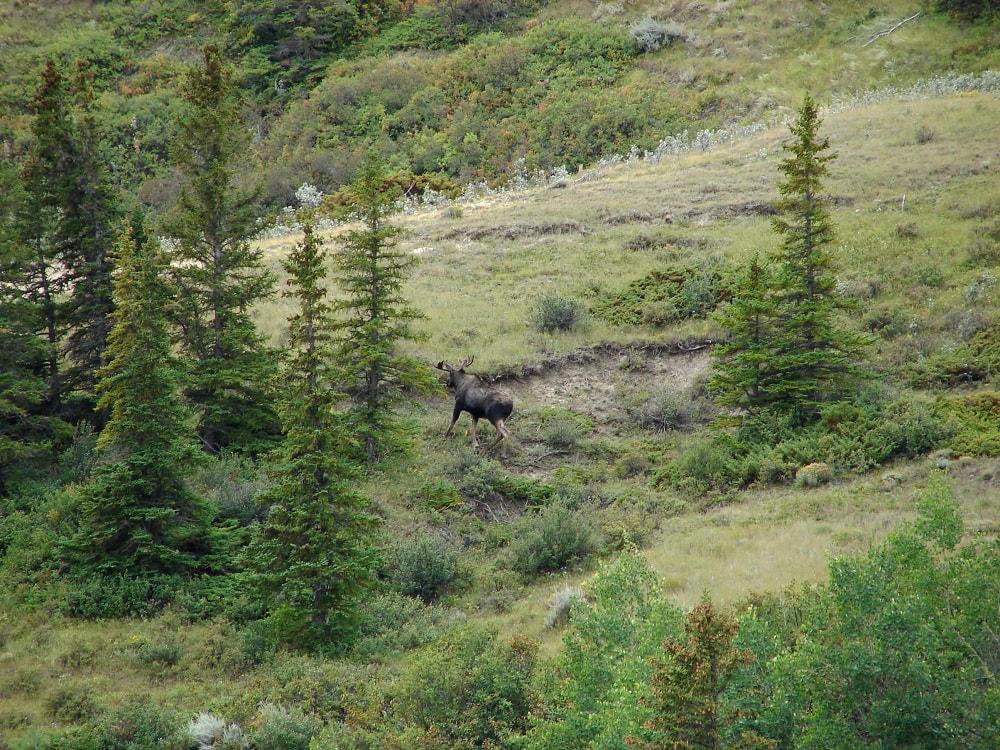
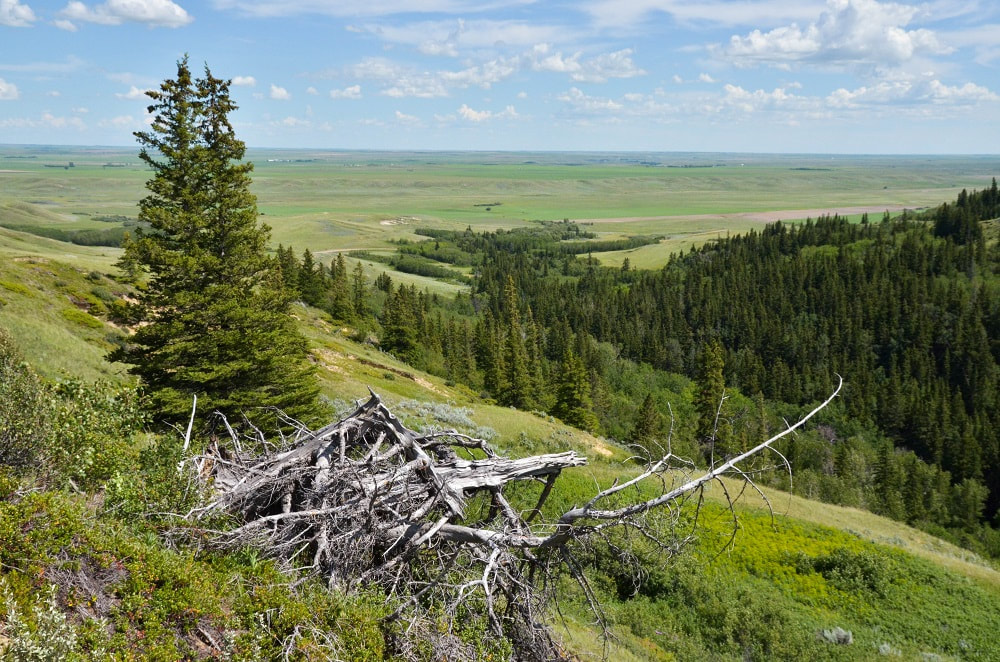
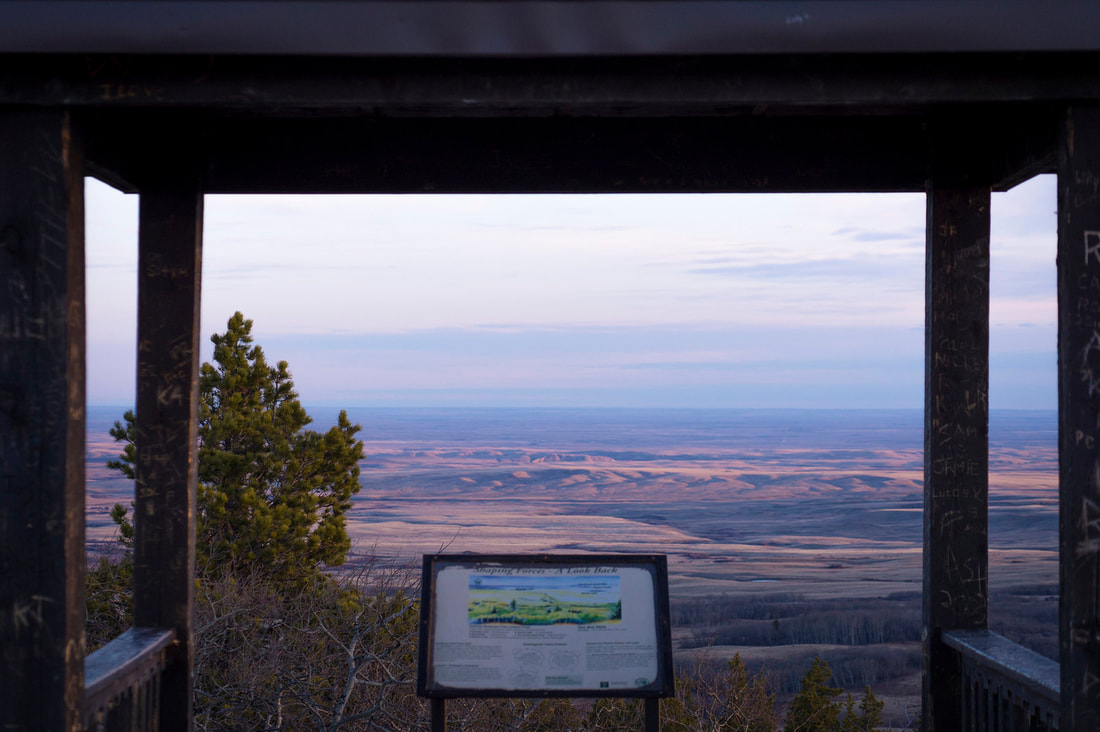
- A journey, mostly on dirt, through Cypress Hills Interprovincial Park, a land of large forests, fescue prairie, wildflowers, deep valleys, roaming mammals, wild flowers and slow moving streams. Also one of the largest Dark Sky Preserves in the world. Some would say an oasis among the prairie landscape. A place where cougars roam.
- Big sky prairie landscapes
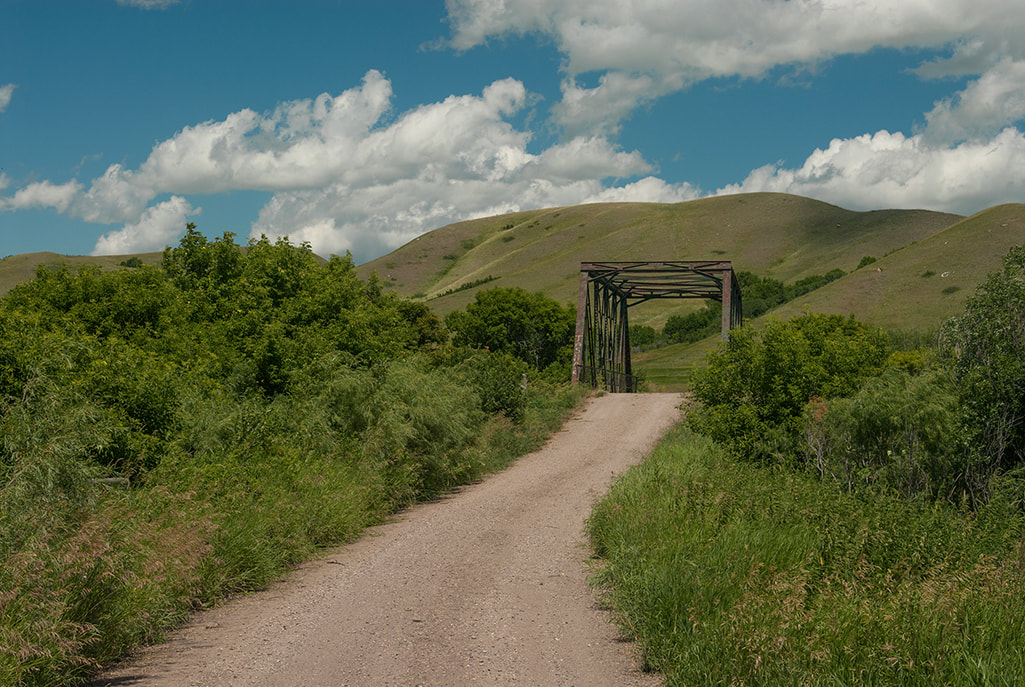
- The iconic seven bridges road into Lumsden
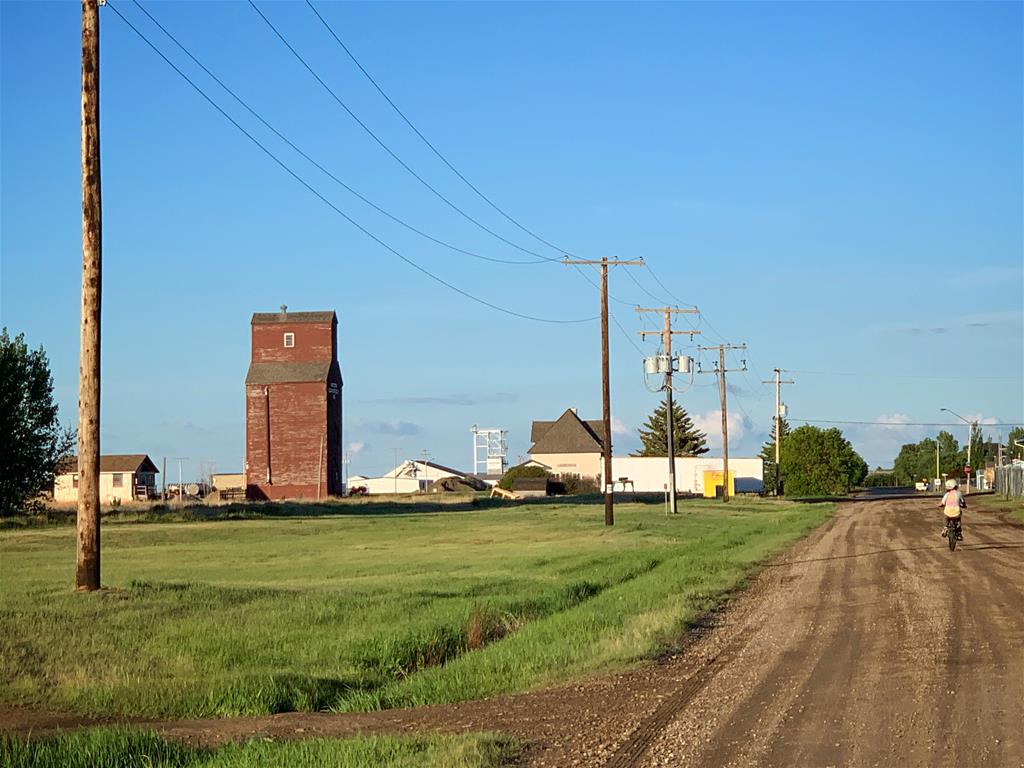
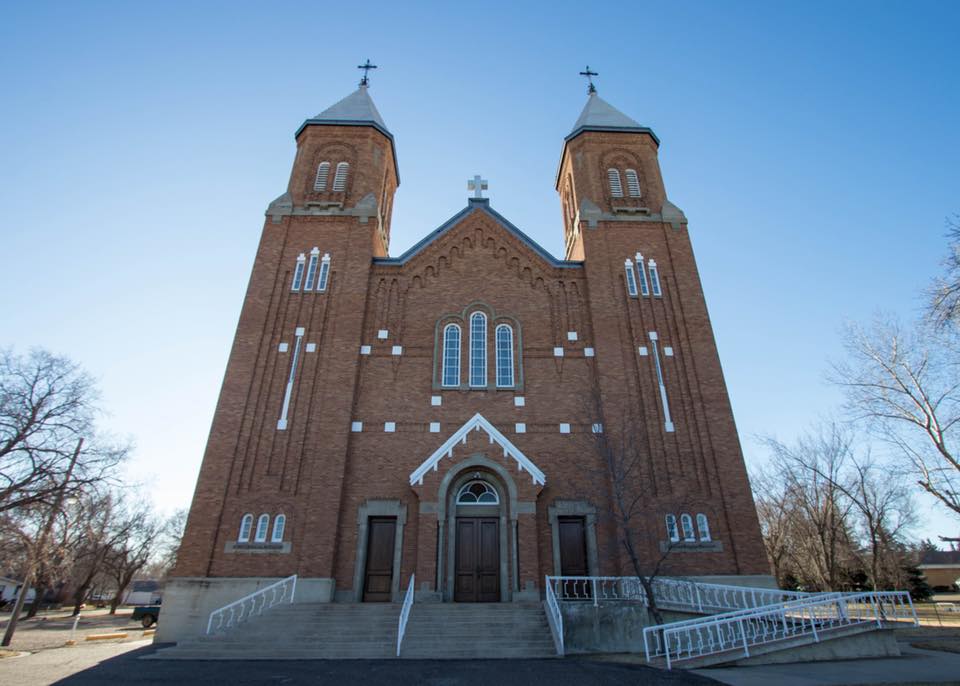
- All the small prairie town charm you can handle
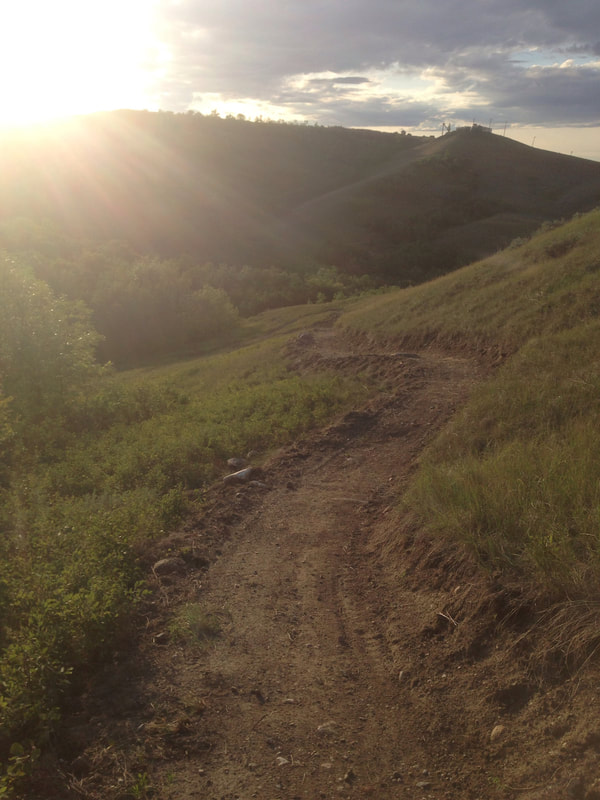
- A sampling of the trail system in Buffalo Pound Provincial Park
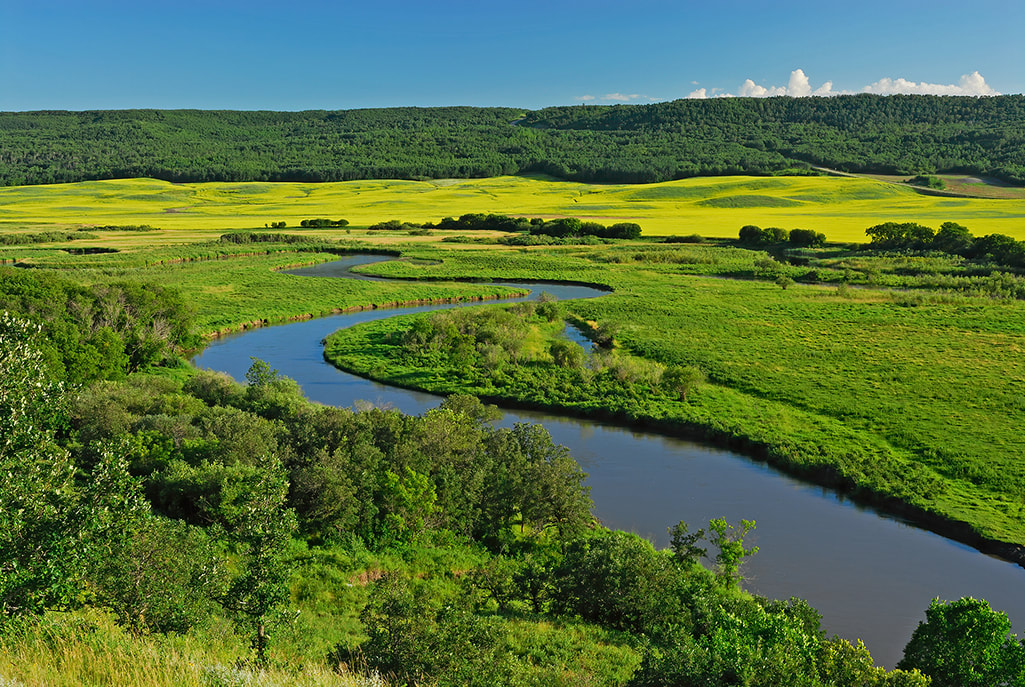
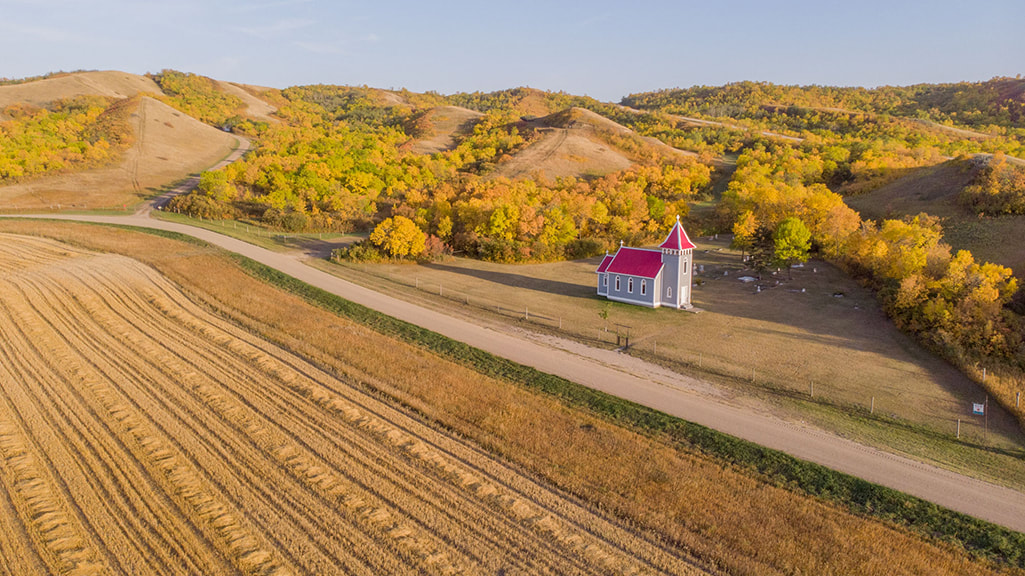
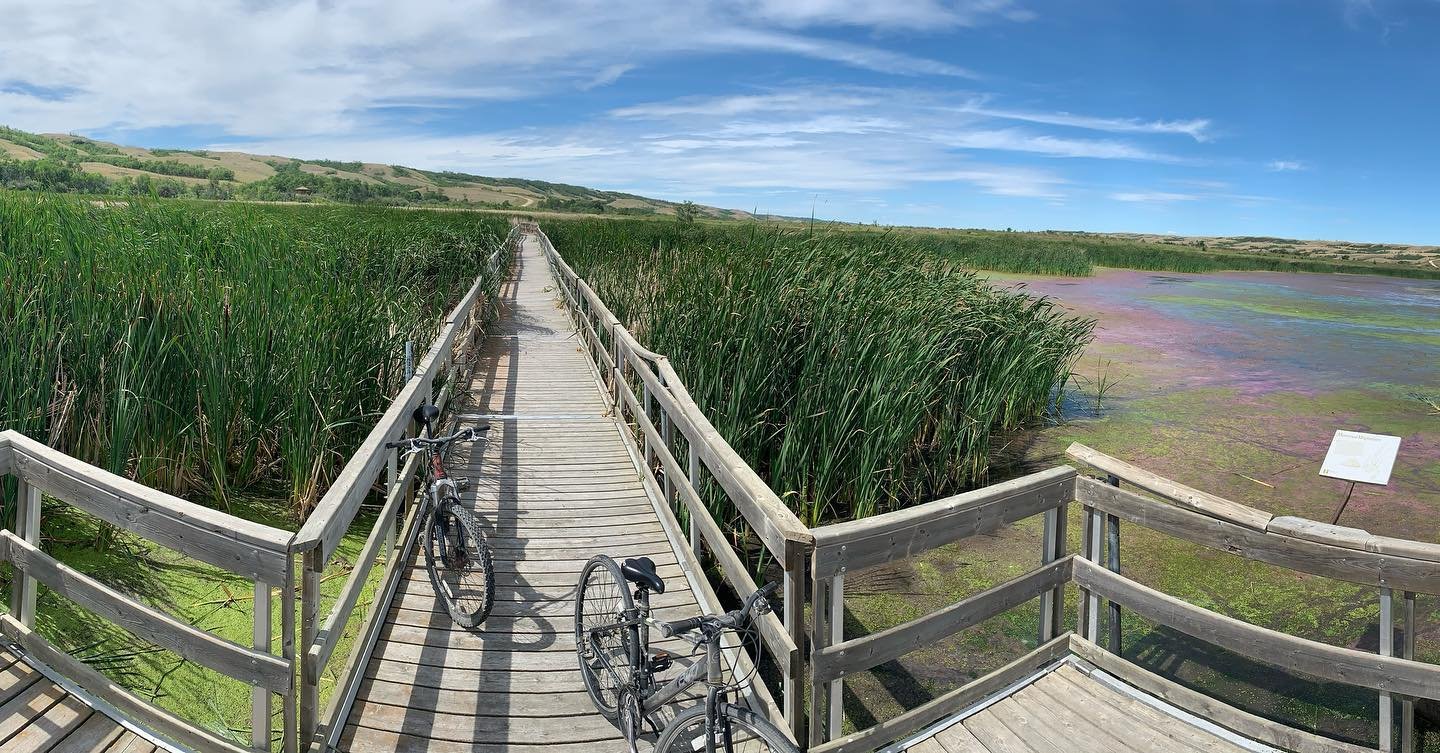
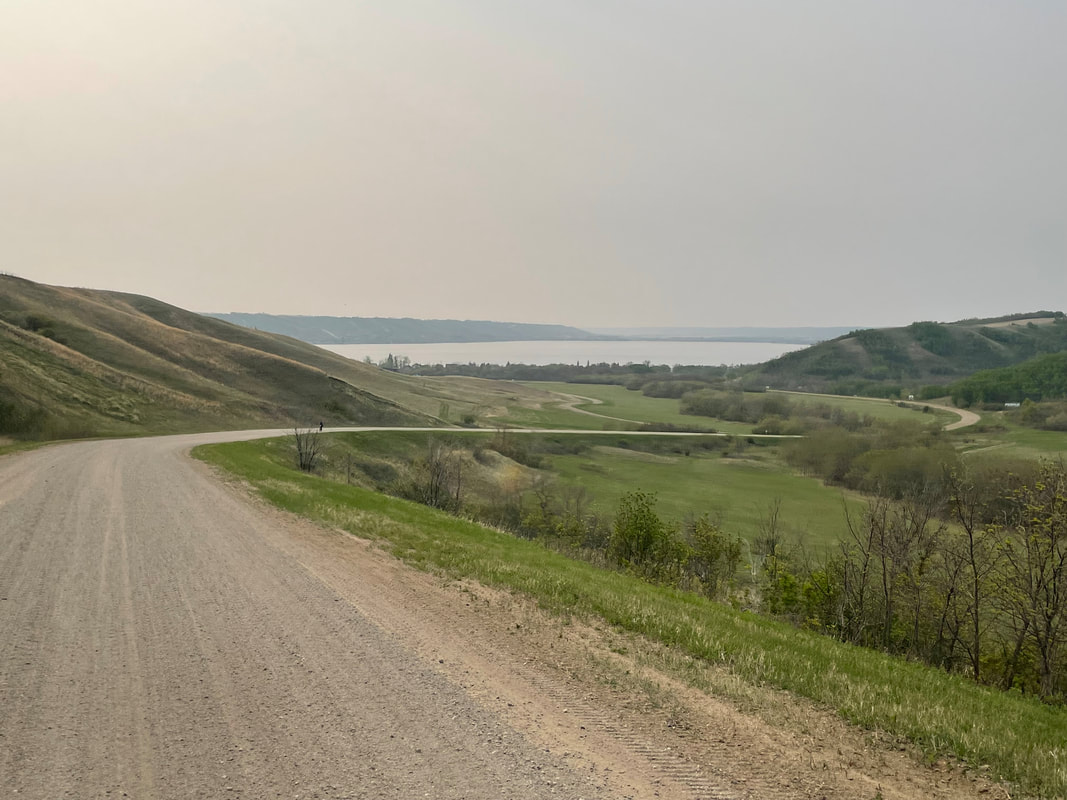
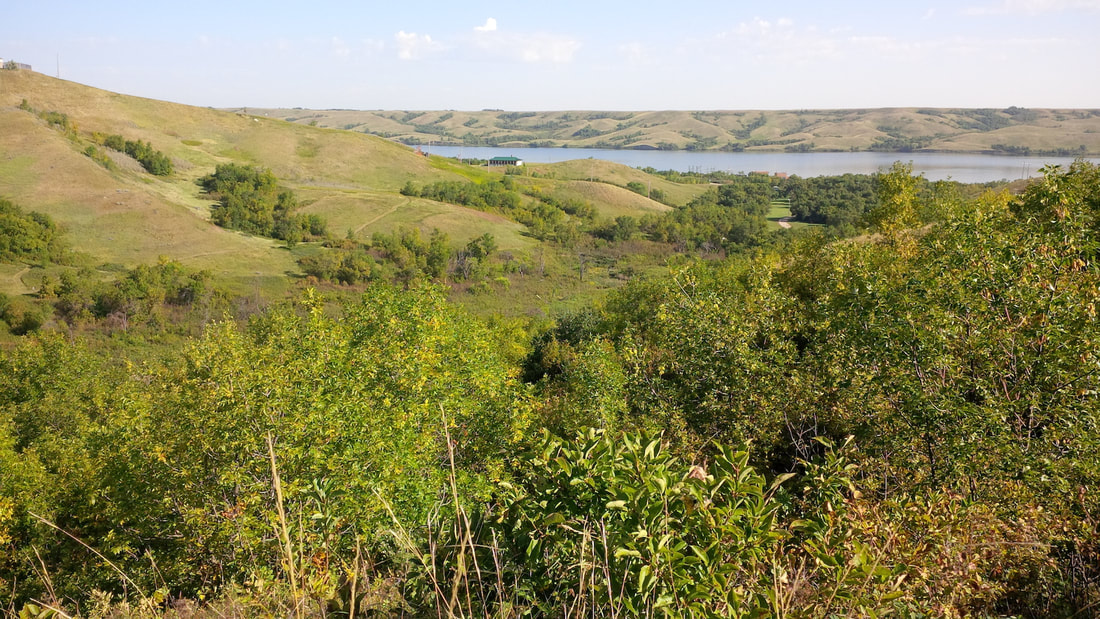
- A scenic trip through the Qu'Appelle Valley and area brimming with picturesque countryside, nature reserves, rolling grasslands, open marshes and tempting swimming beaches.
- A visit to Old Wives Lake, a Federal Migratory Bird Sanctuary
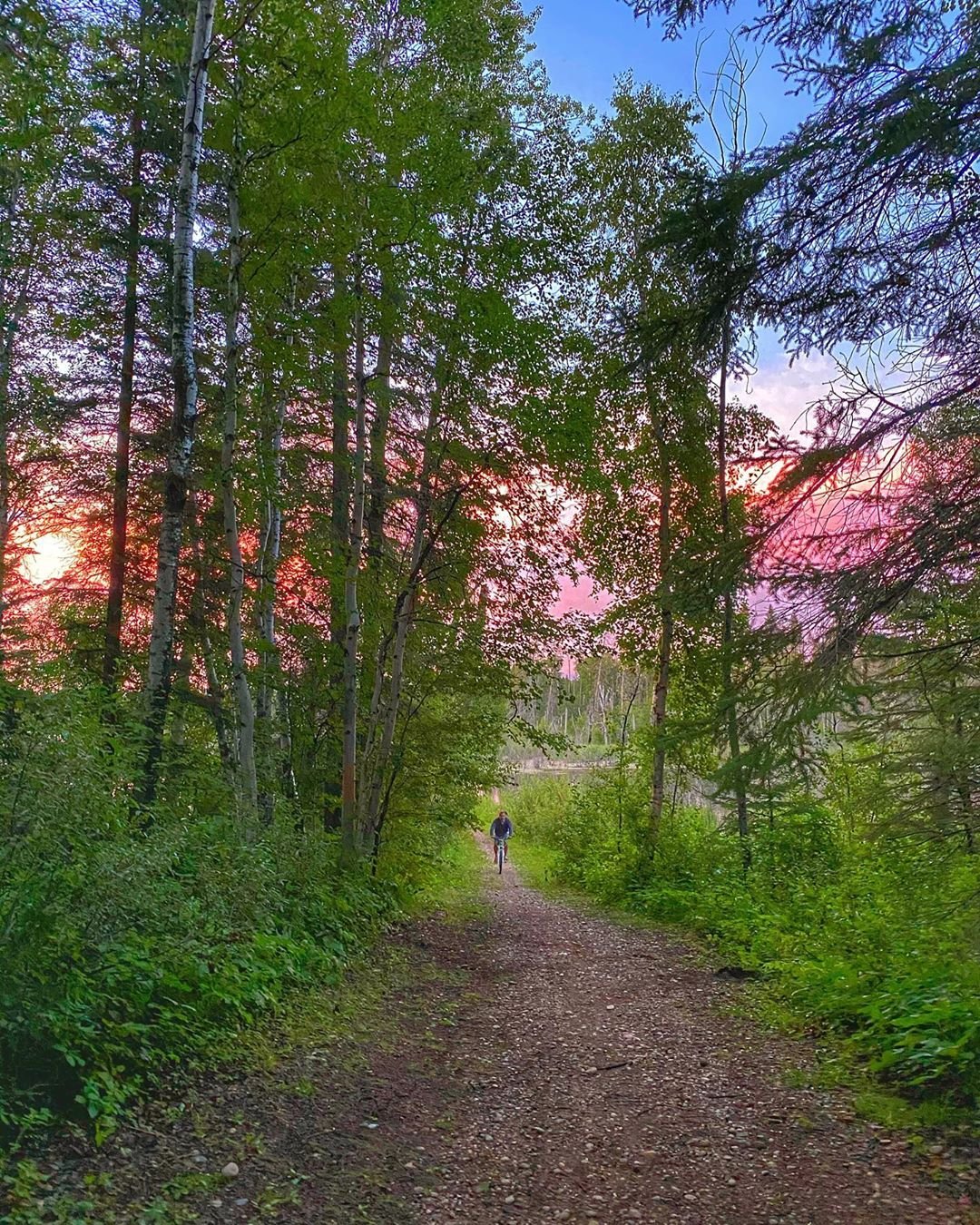
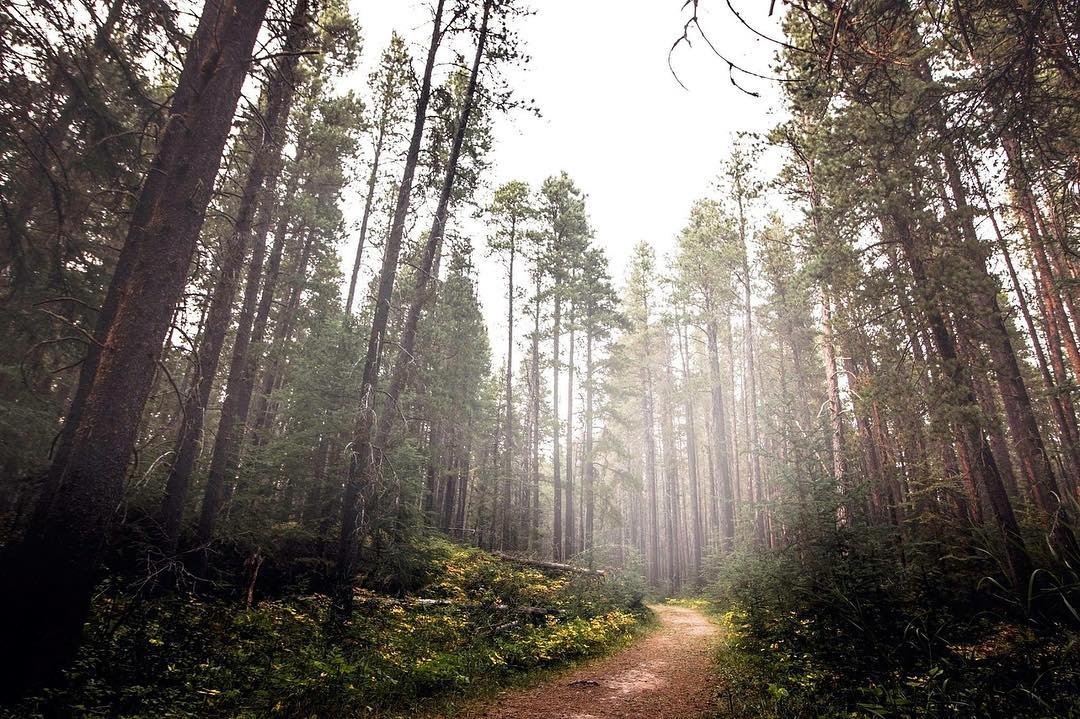
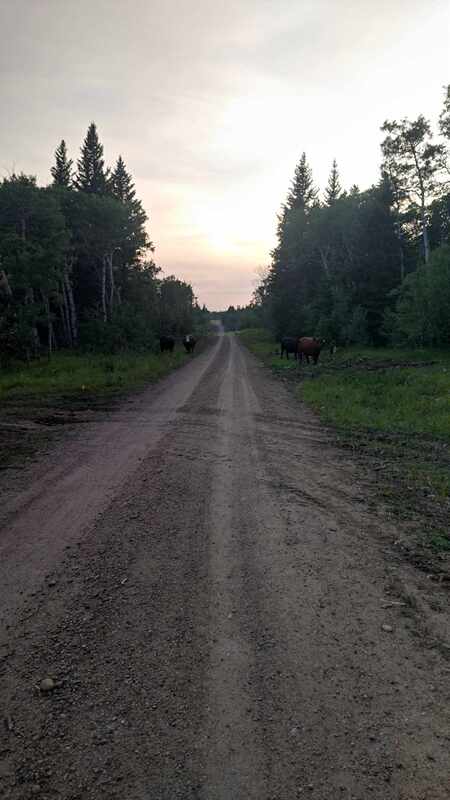
- Leaving the province via Duck Mountain Provincial Park which is praised for its rolling hills, and boreal forest setting.
In the wide open landscapes the wind can be your savor or arch enemy. The wind is known as the prairie mountains. Generally going north in the prairies is a cross wind and west is tailwind, but this is not always the case.
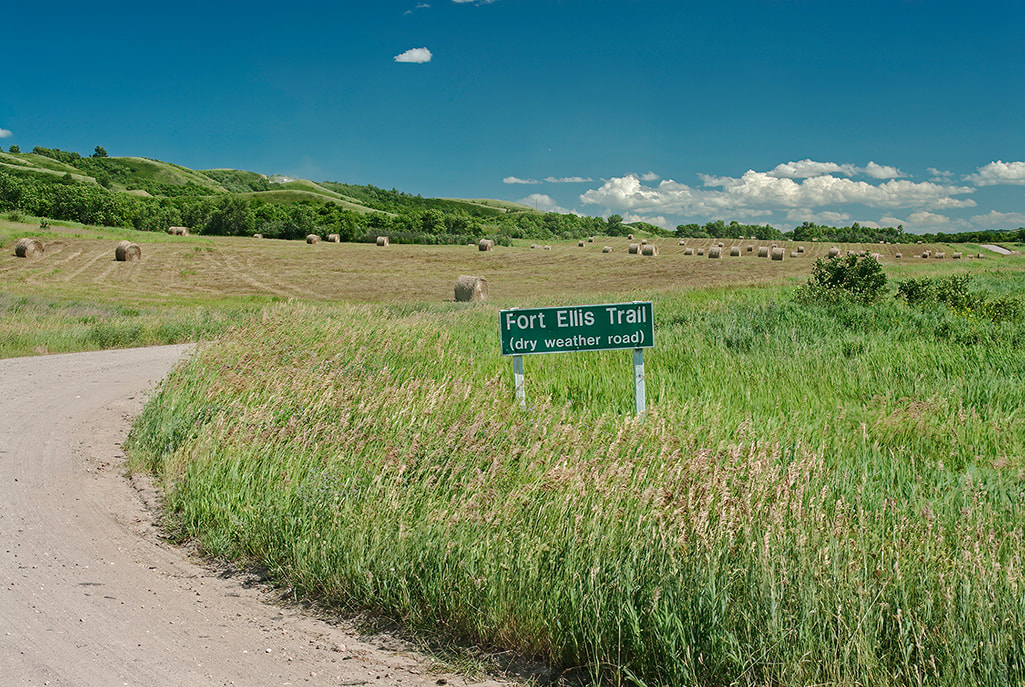
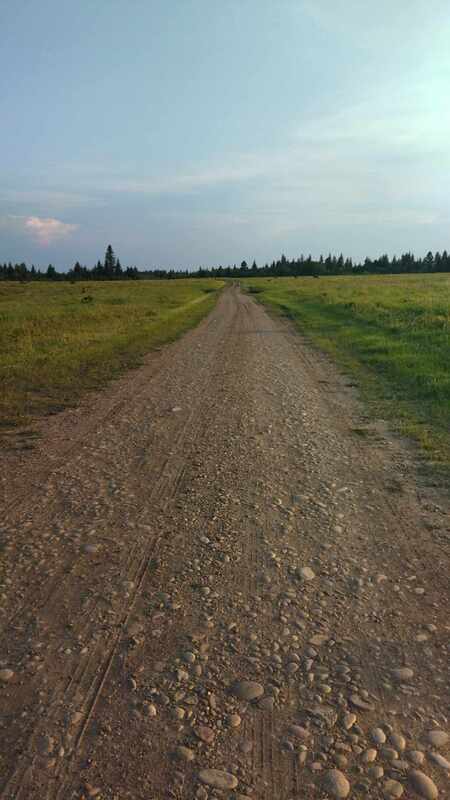
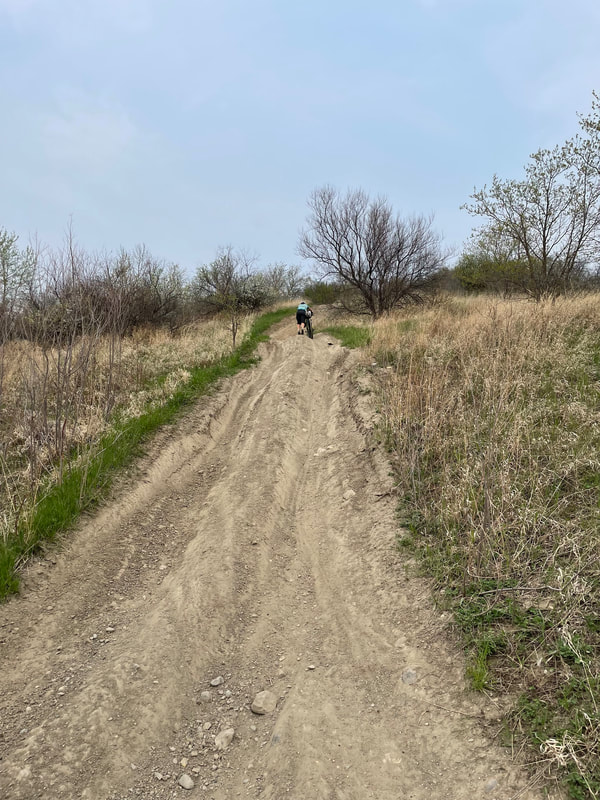
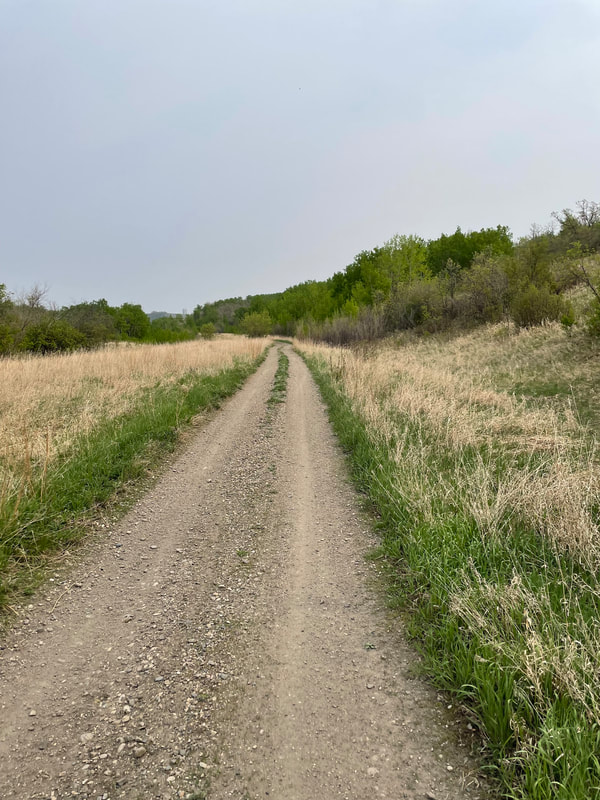
Agricultural dirt roads can become impassable peanut butter during stormy weather. In these cases, riding on paved alternatives might be required. Often, a parallel paved road can be found.
With little shade, riding on some stretches can be like moving through a sauna during hot summer months. Make sure to follow hot weather riding protocols like maintaining good fluid intake. Some people will avoid riding during the peak heat hours of the day.
The route file contains several Control POIs which offer routing alternatives. These can be handy when weather conditions turn the farm roads into impassable peanut butter.
If you have any questions about the Saskatchewan segment of the GNBR please feel free to use the contact page.